
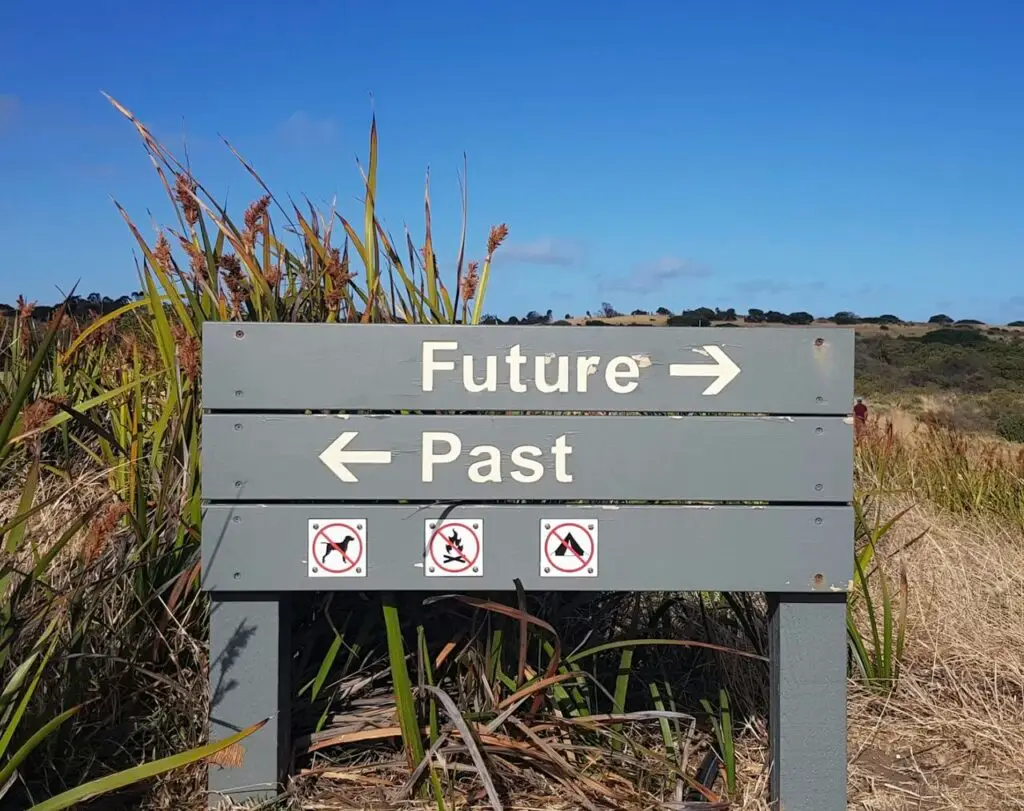
Recently I have been thinking about Leadership Transitions as I have witnessed clients reaching different stages in their careers.
Much of leadership development focuses on stepping into roles: greater responsibility, authority, visibility and impact.
Far less attention is paid to the transition out of roles, despite it being one of the most psychologically significant shifts many leaders experience.
Nowadays it may happen when people are still full of zest, enthusiasm and drive. This transition is one of the most psychologically consequential of all.
When it is poorly handled, organisations see disengagement in the final years, weak knowledge transfer and avoidable well being issues.
Leaders meantime can experience loss of identity, confidence and direction, even when they are financially well prepared. How leaders leave their roles shapes how they enter the next phase and how organisations are remembered.
Successful transition takes psychologically rigorous leadership work, focused on endings, intentional closure, reflection on identity and continuity in pursuing fresh goals.
Legacy is not what you leave behind when you transition out of a senior role. It is what you stay connected to and what you discover about the next phase of life, whether retirement or portfolio career
Retirement is not an ending. Psychologically, It is a leadership transition. To work best, it requires a structured, psychologically informed approach supporting leaders and organisations through the transition out of senior roles with clarity and dignity and continuity.
If this is something you are thinking about, I’m happy to talk… Click the button